The Best Way To Learn 1200mm Mouse Pad
2025.04.07 23:10
In the cluttered landscape of modern computing, the unassuming mouse pad often goes underestimated. This simple accessory, nestled between the keyboard and the trackball, plays an integral role in the efficiency and comfort of our daily tasks. Its functionality is fundamental, and its design has evolved from the rudimentary to the elaborate, catering to varying user needs and preferences.
The history of the mouse pad dates back to the late 19th century. Invented by Q.W. Thompson, upood the first mouse pad was designed for use with a mechanical typewriter. Known as the "Type-Write," it featured a sloped edge and a central hole to accommodate the typist's fingers. Over time, the introduction of computers in the 1970s led to the mouse pad's adaptation into keyboard setups, becoming an indispensable tool for navigating the cursor.
Modern mouse pads come in a variety of designs, each tailored to individual comfort and work environments. Some are silicon or Fabrico frosted, offering a responsive surface for precision. Others, like the ergonomic Palm Rest models, are designed for comfort during extended use, reducing wrist strain. Wireless mouse pads have gained popularity with their cord-free convenience, while gaming pads feature textured surfaces for competitive play. niche options include glow-in-the-dark pads for low light environments and textured dust-proof designs for messy desks.
The importance of a quality mouse pad extends beyond its functional benefits. An uneven surface can lead to inaccurate clicks and tracking issues, impacting productivity. Ergonomic designs prevent finger fatigue, enhancing comfort during long typing sessions. If you cherished this article and you simply would like to collect more info relating to upood please visit our own web site. Additionally, choosing a pad that aligns with your workspace aesthetic can personalise your environment, boosting efficiency and motivation.
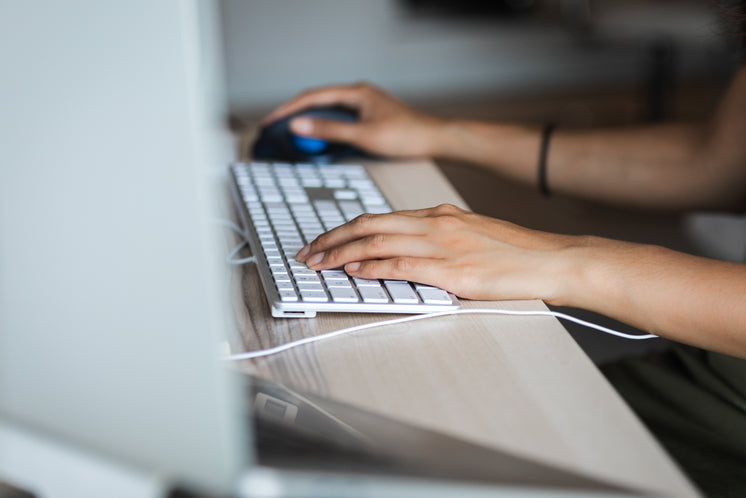 While often overlooked, the mouse pad is a cornerstone of modern computing. Its evolution from a simple aid to a versatile tool underscores its essential role in our daily tasks. Whether minimalist or elaborate, a well-chosen mouse pad is more than an accessory—it’s a key component of a productive and comfortable workspace.
The history of the mouse pad dates back to the late 19th century. Invented by Q.W. Thompson, upood the first mouse pad was designed for use with a mechanical typewriter. Known as the "Type-Write," it featured a sloped edge and a central hole to accommodate the typist's fingers. Over time, the introduction of computers in the 1970s led to the mouse pad's adaptation into keyboard setups, becoming an indispensable tool for navigating the cursor.
Modern mouse pads come in a variety of designs, each tailored to individual comfort and work environments. Some are silicon or Fabrico frosted, offering a responsive surface for precision. Others, like the ergonomic Palm Rest models, are designed for comfort during extended use, reducing wrist strain. Wireless mouse pads have gained popularity with their cord-free convenience, while gaming pads feature textured surfaces for competitive play. niche options include glow-in-the-dark pads for low light environments and textured dust-proof designs for messy desks.
The importance of a quality mouse pad extends beyond its functional benefits. An uneven surface can lead to inaccurate clicks and tracking issues, impacting productivity. Ergonomic designs prevent finger fatigue, enhancing comfort during long typing sessions. If you cherished this article and you simply would like to collect more info relating to upood please visit our own web site. Additionally, choosing a pad that aligns with your workspace aesthetic can personalise your environment, boosting efficiency and motivation.
While often overlooked, the mouse pad is a cornerstone of modern computing. Its evolution from a simple aid to a versatile tool underscores its essential role in our daily tasks. Whether minimalist or elaborate, a well-chosen mouse pad is more than an accessory—it’s a key component of a productive and comfortable workspace.